
Your Customers Are Searching Differently. Can They Find Your Business?
A potential customer needs a service provider. Instead of scrolling through search results, they ask ChatGPT for options. An answer appears, sometimes with business names and links. Is there enough useful information online for your business to be considered?
The question is not whether you can force a recommendation. It is whether customers and search systems can understand what you offer. Generative Engine Optimization, or GEO, addresses that visibility alongside traditional SEO—not instead of it.
1. What Is Generative Engine Optimization (GEO)?
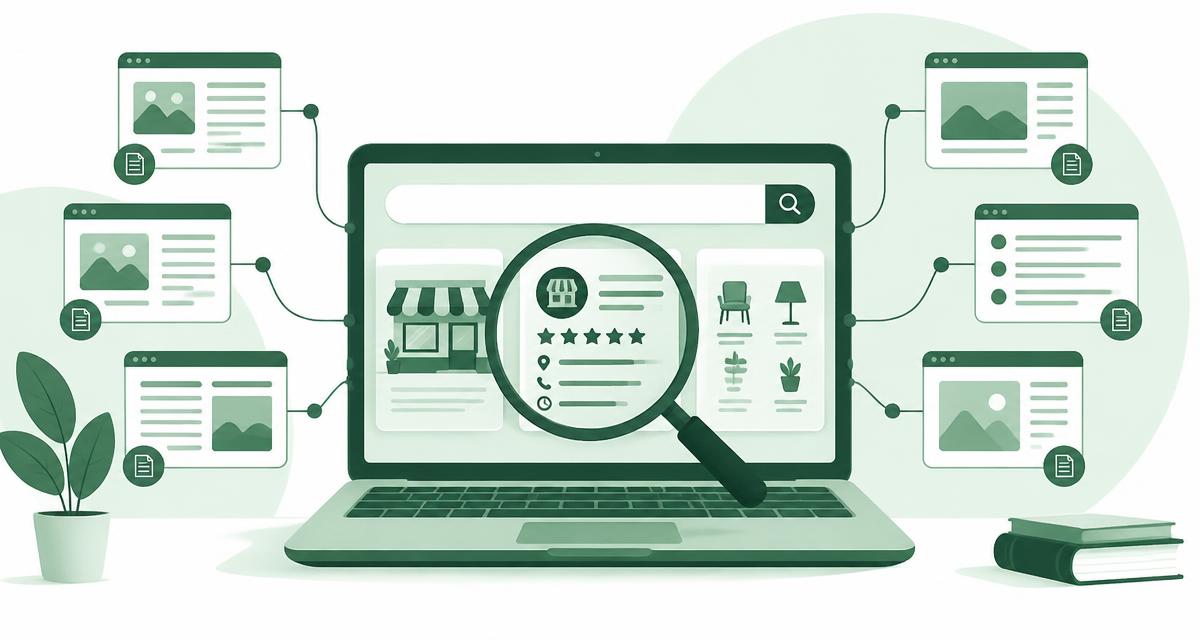
GEO means making relevant, reliable business information easier to discover and understand in generative AI-powered search. Traditional search usually presents links; generative experiences synthesize an answer and may cite sources. Customers can ask detailed follow-up questions rather than choose a single keyword.
When web search is involved, systems retrieve information that may help answer the question. Clear brand facts, useful content and credible sources give them material to work with. Crawling and indexing create opportunities for discovery, not guaranteed citations. ChatGPT, Google AI Overviews, Google AI Mode and Perplexity do not have identical systems or reporting.
2. Why Your Business May Not Be Appearing in ChatGPT Search
A missing mention is not necessarily a penalty. The question may not fit your business, or another source may be more useful. Start by checking common weaknesses:
- Important pages contain little useful information or are blocked from crawling or indexing.
- Business names, services or locations conflict across profiles.
- Content does not answer the questions customers actually ask.
- Products and services have vague descriptions with no practical detail.
- There is little relevant third-party coverage or evidence supporting your claims.
A Shopify brand may need clearer product specifications; a local service provider may need service-area details. An agency may need a concrete explanation of its process. Review the actual gap rather than apply the same GEO strategy to everyone.
Ask someone unfamiliar with your company to read your main pages. Can they describe what you sell, who it is for and why it suits their needs? If they cannot, start with clarity before adding more content or investing in promotion.
3. How ChatGPT Finds and References Websites
ChatGPT Search can use information retrieved from the web and show source links. OpenAI identifies OAI-SearchBot as its search crawler. Website owners should check robots.txt and whether their firewall permits that crawler, following OpenAI's published guidance.
GPTBot serves a separate purpose associated with potential use of content to improve or train foundation models. Its permissions are independent: you can allow OAI-SearchBot while disallowing GPTBot. Allowing GPTBot does not automatically put your business in ChatGPT Search.
Read the official OpenAI crawler overview and publishers and developers FAQ before changing permissions. Access supports discovery, but OpenAI does not promise inclusion, a citation or a recommendation.
4. How to Improve Your Business Visibility in AI Search
Strategy 1: Make Your Business Information Clear
State what you offer, who you serve and which problems you solve. Explain your industry expertise, products and services, plus location or service areas where relevant. Replace “we deliver innovative solutions” with a factual description of the work. A useful About page explaining your team and approach helps visitors evaluate who is behind the business.
Strategy 2: Publish Content That Answers Real Questions
Use sales conversations and customer questions to choose topics. Informational questions might include “Why do shoppers abandon checkout?” Comparison questions might ask “Should I improve my existing website or rebuild it?” Service questions could be “What does a conversion audit include?” Answer directly, explain trade-offs and include original details rather than repeat keyword variations.
Build each answer around a real decision. Explain when an option is suitable, its limitations and what the reader should check next. Link to relevant service or product pages so a useful answer also supports a sensible buying journey.
Strategy 3: Build Genuine Brand Authority
Seek relevant industry coverage, professional directory listings, useful collaborations and honest customer feedback. References should help people verify your business, not create artificial popularity. Share expertise where it is genuinely useful. Never buy fake reviews or manufacture mentions; credibility must rest on real work and accurate claims.
Strategy 4: Improve Your Website's Technical SEO
Check crawlability, indexing, internal links, XML sitemaps and self-referencing canonical URLs. Keep pages accessible, usable on phones and reasonably fast. Investigate accidental noindex tags and blocked resources. Appropriate structured data should match visible content; it is not a shortcut to AI recommendations.
Google's AI features guidance explains that established SEO fundamentals remain relevant. Supporting pages must be indexed and eligible for Search snippets, but eligibility does not guarantee appearance. Bing's Webmaster Guidelines also emphasize accessible, useful content and clear website structure.
Strategy 5: Make Your Service and Product Pages More Useful
A Shopify product page can explain materials, dimensions, suitability and delivery conditions. An ecommerce brand can clarify compatibility or care requirements. A service business can explain deliverables, scope, process and who the service suits. Use facts you can support. Specific information helps customers decide and provides useful material for search answers.
Strategy 6: Maintain Consistent Brand Information
Align business names, descriptions, products, services and factual contact details across your website and relevant external profiles. Correct outdated information at its source. Consistency does not mean copying identical promotional paragraphs everywhere; it means avoiding conflicting facts that make your business difficult to identify.
Strategy 7: Monitor and Improve AI Search Visibility
Test a repeatable set of customer questions across relevant platforms. Record the date, question, business mentions and cited URLs. Answers vary, so one test is not a reliable visibility score. Review organic performance, identifiable referral traffic and qualified enquiries alongside those observations.
Include both branded and unbranded questions. Asking about your business by name tests whether its facts are understood; asking about a customer need explores broader discovery. Save the wording and context so later comparisons are meaningful, while recognizing that answers are not fixed rankings.
Bing Webmaster Tools' AI Performance report is one example: it reports citation activity, cited pages and grounding queries across supported AI experiences. It is not a universal report for all assistants, a ranking measure or proof that a change caused more citations. Separate visibility from visits and business outcomes.
5. GEO vs SEO: What's the Difference?
| Focus | SEO | GEO |
|---|---|---|
| Primary aim | Discoverability in traditional search engines. | Discoverability and understanding in generative AI-powered search. |
| Common output | Search results linking to pages. | Synthesized answers that may mention brands or cite pages. |
| Foundations | Accessible pages and helpful, relevant content. | The same foundations, plus clear, credible brand information. |
| Measurement | Search impressions, clicks and conversions. | Observed mentions, available citation reports, referrals and enquiries. |
Combine both rather than abandon SEO. A technically inaccessible site weakens discovery across channels. Strong fundamentals are useful even when an AI answer never cites your page.
6. Does GEO Work for Small Businesses?
You do not need a global brand to explain your expertise clearly. A smaller business can publish original answers, organize service pages, earn relevant industry coverage and maintain accurate profiles. Focus on the specific customer needs you can genuinely serve rather than broad claims about being the best.
For example, a specialist supplier can explain product suitability better than a generic catalog. That creates useful information, not a promise to outrank a larger company. Our client results and store analysis show how we discuss actual website work without inventing AI-search outcomes.
7. A Practical 30-Day GEO Action Plan
- Week 1: Review business facts, website structure, crawler access and indexing. Record a baseline set of customer questions.
- Week 2: Improve important product or service pages and publish one useful answer to a genuine customer question.
- Week 3: Correct external profiles and pursue relevant, legitimate references. Request honest feedback where appropriate.
- Week 4: Repeat visibility checks, review analytics and enquiries, and choose the next improvements from the evidence.
This is a starting plan, not a guaranteed timeline for rankings or AI citations. Document what changed so you can evaluate progress responsibly.
Choose a manageable priority rather than rewrite the entire site at once. For many businesses, the best first task is improving one important service page and resolving an indexing problem. Continue the work after the first month, guided by customer questions and measured outcomes.
8. Frequently Asked Questions
What is Generative Engine Optimization?
GEO is work that makes useful business information easier to discover and understand in AI-powered search. It combines accessible websites, clear content and credible brand information; it does not buy or guarantee recommendations.
How do I get my business to appear in ChatGPT?
Make important pages accessible to search crawlers, explain your services clearly, answer customer questions and keep business details consistent. Allowing OAI-SearchBot supports search discovery, but appearance remains at the platform's discretion.
Can ChatGPT recommend my business?
ChatGPT may mention businesses when answering relevant questions, depending on available information and the request. You cannot require it to recommend yours, and a mention is not an endorsement or a guaranteed lead.
How do I get my website cited in ChatGPT Search?
Publish accessible, specific pages that directly help answer relevant questions. Check OAI-SearchBot access and site security restrictions. These steps support discoverability, but no content format or crawler setting guarantees a citation.
What is the difference between SEO and GEO?
SEO supports discovery in traditional search results. GEO focuses on discovery and understanding in generative answers. Both depend on useful information and accessible pages, although their outputs and available measurements differ.
Does GEO replace traditional SEO?
No. Search indexing, internal links, useful content and technical accessibility remain important. Google's AI search features use core Search systems, so abandoning SEO would weaken rather than strengthen your foundations.
How long does GEO take to work?
There is no reliable universal timeframe. Results depend on your starting position, crawling, competition, customer questions and platform changes. Track progress over time without treating a 30-day plan as a promise of citations.
Can small businesses benefit from AI search optimization?
Yes, improving clear service information, relevant local or industry coverage and customer-focused content can make a small business easier to evaluate. That does not mean it will automatically outperform a larger competitor.
Does Google AI Overviews use traditional SEO?
Google says established SEO fundamentals remain relevant to AI Overviews and AI Mode. Pages need to be indexed and eligible for a Search snippet to be supporting links; eligibility does not guarantee selection.
How can I measure my AI search visibility?
Record mentions and cited pages for a consistent set of customer questions, examine referral traffic and qualified enquiries, and use available webmaster reports. Bing AI Performance reports citation activity for supported experiences, not every AI platform or business outcome.
9. Make Your Brand Easier to Discover, Understand and Evaluate
Do not wait for AI-powered search to become your main discovery channel before improving your online presence. Clear information, credible evidence and a usable website help people wherever they search. Whyte Team's GEO, SEO and website optimization services address those foundations together. Contact our team about your visibility challenges to discuss where your business needs attention.